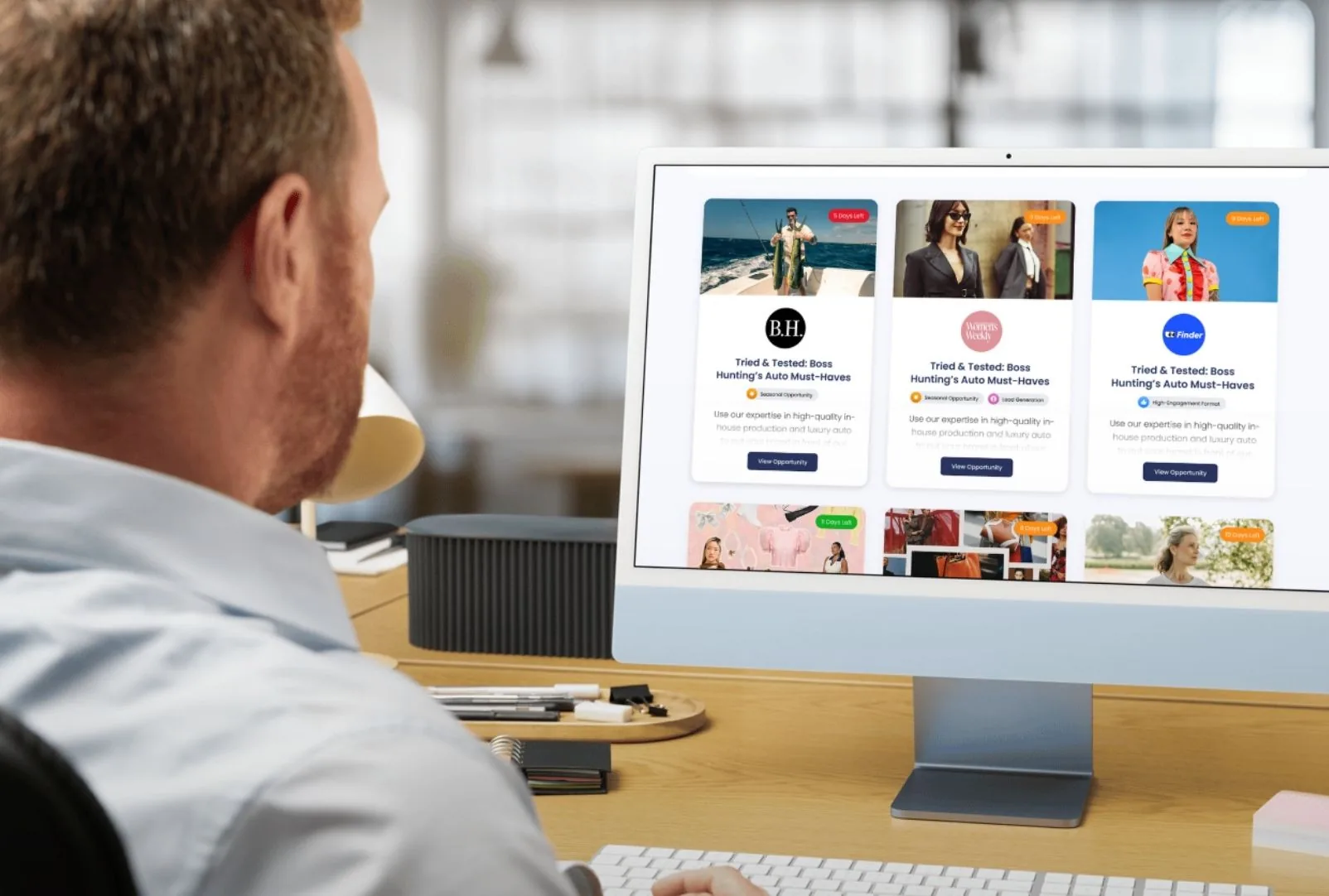
Branded content is the line on a plan that takes the longest to answer. A planner can put display, search or social into a media plan in an afternoon, because the buying was built for that afternoon. Branded content asks the same planner to work out which titles run it, approach each one separately, wait for the replies, and then defend the timeline internally. Often they book something else.
That costs you money every quarter. The work itself performs. Readers choose to read branded content, and an editorial team that knows its audience writes a better piece than a brand gets out of a banner. What holds the format down is everything that happens before a brief ever reaches you.
A planner buys the line they can close this week
Plans are built against deadlines that do not move. The budget is confirmed on Thursday, the plan is due on Monday, and the lines that survive that weekend are the ones with a price and an availability answer in front of the planner. A branded content idea that needs two publishers to come back with a proposal has missed the window even when everybody means well.
Agencies pick the option they can defend in the time they were given.
The cost lands in the finding, and then in the waiting
Start with being found. There is no single place a planner can look up which titles in a category run branded content, what each one calls it, and what it involves to run. So the shortlist gets assembled out of the people the planner has worked with before. That is a list of relationships rather than a list of the best fit, and a title with the right readers and no history with that agency never gets asked.
Then the responses. Three publishers answer one brief three different ways, with different formats, different names for the same thing and different measures of success. Somebody has to flatten all of it into one grid before a comparison is possible, usually in a spreadsheet the night before the meeting.
Then the waiting. Briefs, drafts, approvals and go-live dates live in email threads, so each round costs days of waiting instead of an hour of work. Nobody designed this. It accumulated one workaround at a time, and you carry most of its cost in unbilled hours.
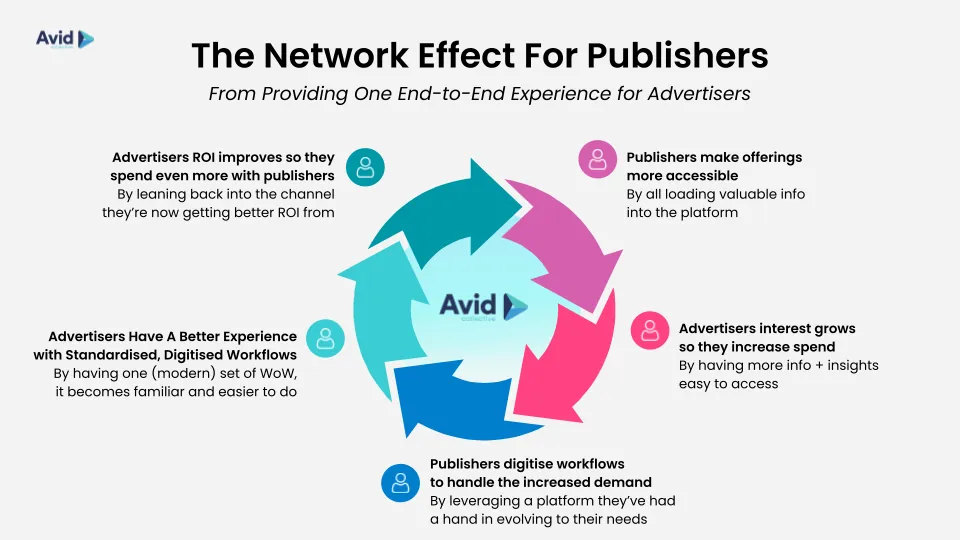
Display and search grew once discovery and buying moved into one place
This has happened before, in the formats branded content now loses budget to. Display, search and programmatic grew on the back of one change. A buyer could see what was available, compare it on the same terms, buy it without a phone call, and read the results in the report they ran. The creative work did not improve. The buying got easy, and the money followed the ease.
The same change is available here, and it asks you to give up nothing. Centralised discovery means a planner finds your title while the plan is still being written, rather than after the mix is set. A standard brief and a standard response shape put your proposal beside the others instead of days after them, and shared approvals keep the rounds of email off the calendar.
The relationship stays yours, and that is a limit we chose
The quickest way to make branded content easy to buy would be to pool it and sell it programmatically. Collab Platform is not a marketplace and not automated buying. Briefs land with your team, you write the proposal, and the advertiser stays your advertiser. We do not trade media.
That choice costs you something, and you should hear it from us rather than from a planner. When the brief and the response are standardised, your proposal is compared line by line against the others by someone who has never met you. If your win rate today rests partly on being the only title that was asked, this makes your position harder before it makes it stronger. What you get in return is the briefs you were never in the room for.
It pays off most for the title that never hears about the brief
Avid has been placing editorial-standard content with publishers since 2016, and the network now runs to 600+ media brands, 500+ of them in Australia with a growing UK network, in front of 300+ advertisers. Publisher profiles, case studies and live opportunities sit inside Collab Platform while agencies and advertisers are planning, and a brief arrives in the right person's task list instead of a shared inbox. Taking part costs nothing, whether or not you use PubSuite.
The rest of it is hours. Campaign Builder exists to get an advertiser-ready proposal out in under ten minutes, with more than one option per brief and the stretch package a buyer rarely thinks to ask for. Campaign Manager holds briefs, drafts, approvals and go-live in one workflow, and reporting is pulled together for you at the end of it.
This is not worth much to every publisher. If your partnerships revenue comes from two or three advertisers who brief you directly each year, the process cost you carry is small and a platform will not change your year. The case is strongest for a title that could answer far more briefs than it hears about.
The share of the plan branded content takes next year will be decided by how many hours it costs a planner to buy it, and those hours are something publishers can change without changing a word of the work.